
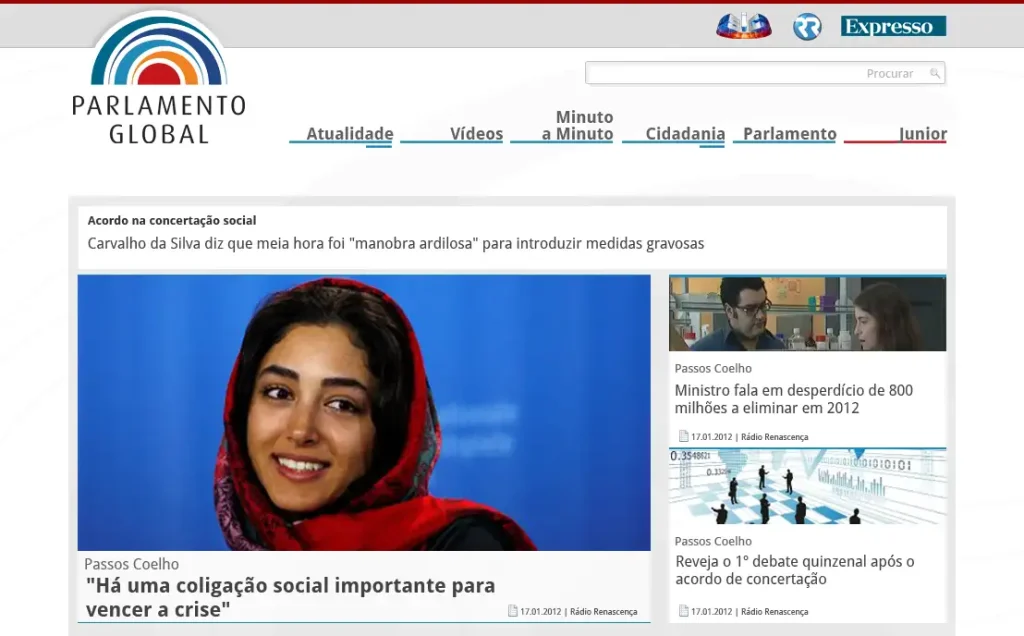
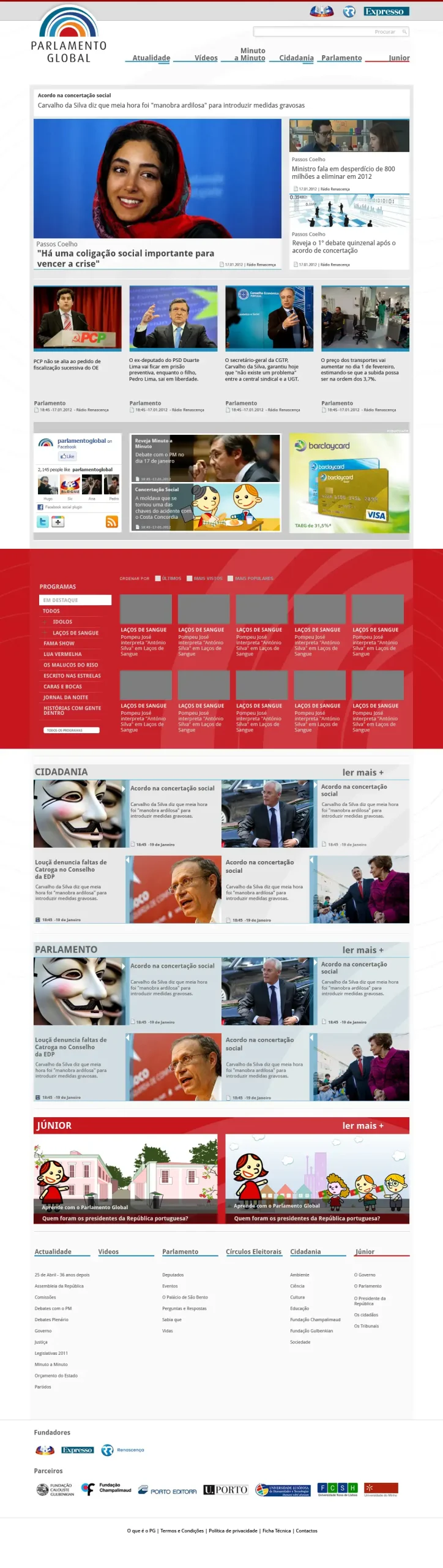
Click to view hi-res prototype of the homepage
over the fold area
In a year of overlapping elections, newsrooms talk a lot about “the global political mood” without having a place to actually look at it. The brief was straightforward: build a single visual surface where readers could see how parliaments around the world were composed — left, centre, right, governing, opposition — without having to read fifteen different election explainers from fifteen different countries.
The challenge nobody admits to is editorial. Political data visualisation is a minefield of unintended claims. The colour you use for “left” in one country reads differently in another. The labels parties give themselves don’t always match the labels analysts give them. Group two parties together and you’ve made a claim. Refuse to group them and you’ve made a different claim. The neutral position doesn’t exist.
The design had to be honest about this — surface choices instead of hiding them — while still being legible at a glance.
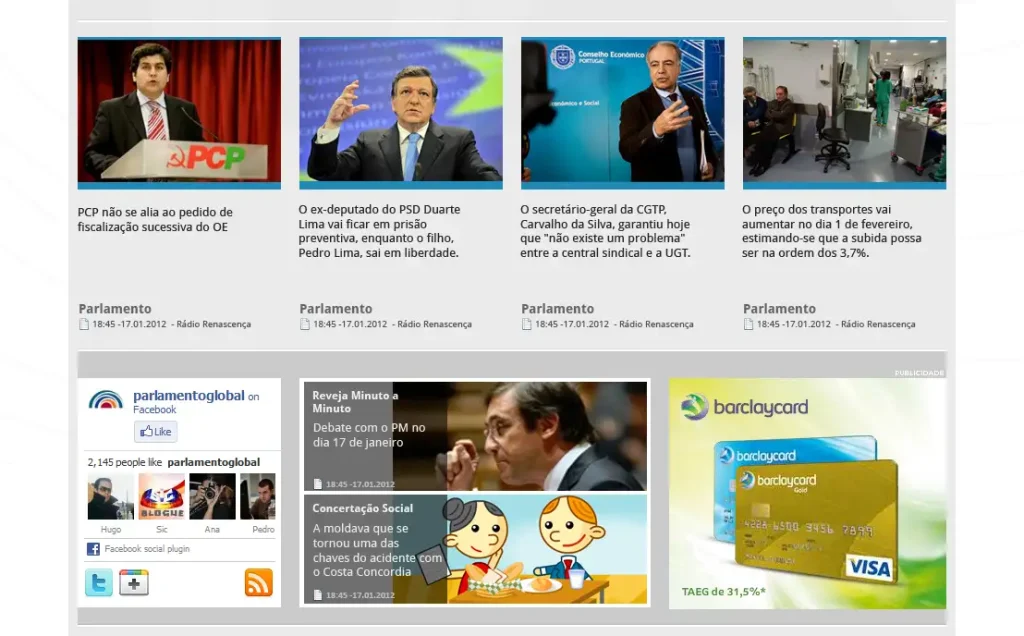
news and adverts
A flat grid of every parliament. Each country occupied a small composite tile: seat-share visualised as a horizontal bar, parties represented as colour blocks, ruling coalition marked. The reader could scan the entire world in one screen-ful before drilling into any single country.
Disclosed taxonomy. A small, persistent legend explained how parties were grouped — by self-identification first, by analyst consensus second, with named sources. Hovering over a colour block surfaced the original party name in the original language. The classification was never invisible.
Hierarchy by relevance, not size. Larger countries didn’t get larger tiles. The visual weight stayed equal because the editorial premise was equality of attention, not equality of GDP.
Mobile-first, even though it was never going to be a phone-first project. The constraint forced clarity. Anything that didn’t survive a 4-inch screen was removed.
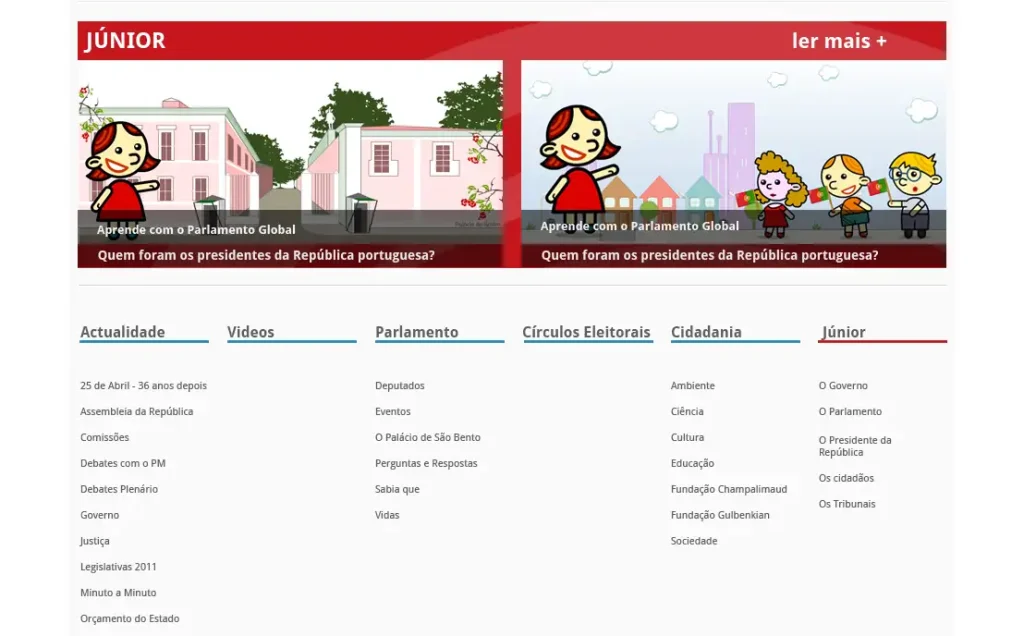
junior area
A reference page that lived past its launch news cycle. Editors used it to anchor election coverage. Readers bookmarked it. It became, briefly, what newsroom data projects are supposed to become: a small piece of public infrastructure.
Parlamento Global became a digital touchpoint that strengthened the relationship between citizens and their institutions. The platform succeeded in:
By combining clarity, neutrality, and storytelling, Parlamento Global elevated democratic communication — proving that politics can be explained with simplicity, accuracy, and respect for the user. It serves as a model for how design can support civic engagement through accessible and thoughtful digital experiences.