
The History of the Oscars
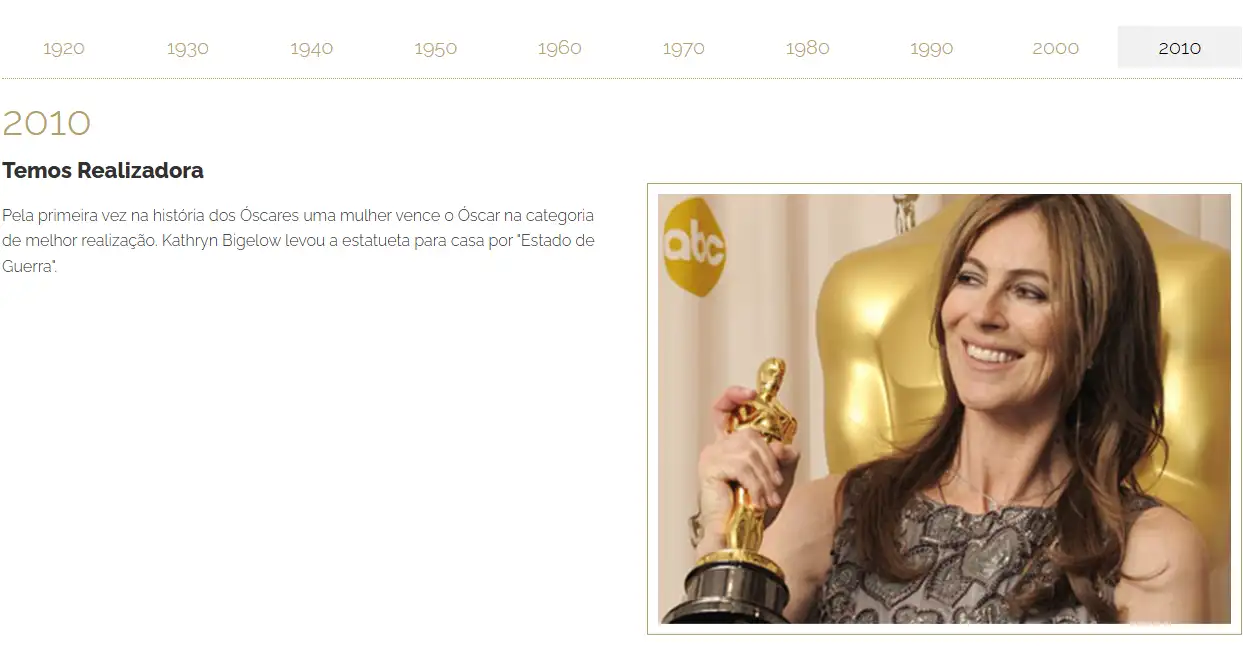
This project was conceived as a digital deep dive into the legacy of the Academy Awards. This visually rich, editorial-style microsite traced the evolution of cinema’s most iconic ceremony. Designed for a broad audience of film lovers, students, and casual readers, the platform transformed decades of cinematic history into a clean, immersive reading experience. The goal was to bring storytelling, imagery, and archival content together in a format that felt both informative and cinematic, inviting users to rediscover the Oscars through carefully curated milestones, films, and personalities.
The Challenge
The Oscars span nearly a century of film history, producing an enormous and often overwhelming archive of information. The main challenges were:
- Organising a vast amount of historical content without turning the page into a dense, inaccessible wall of text
- Balancing narrative flow with visual pacing, ensuring the reader never feels lost
- Integrating a large volume of images and film references while maintaining coherence and load performance.
- Creating a layout that feels editorial and cinematic at the same time
- Maintaining clarity and hierarchy across long scroll lengths
In short, the challenge was to condense a sprawling cultural timeline into a clean, digestible, and visually engaging digital narrative.
Approach
The design approach focused on creating an editorial rhythm, visual breathing room, and a story-driven structure.
1. A Long-Form Narrative Layout
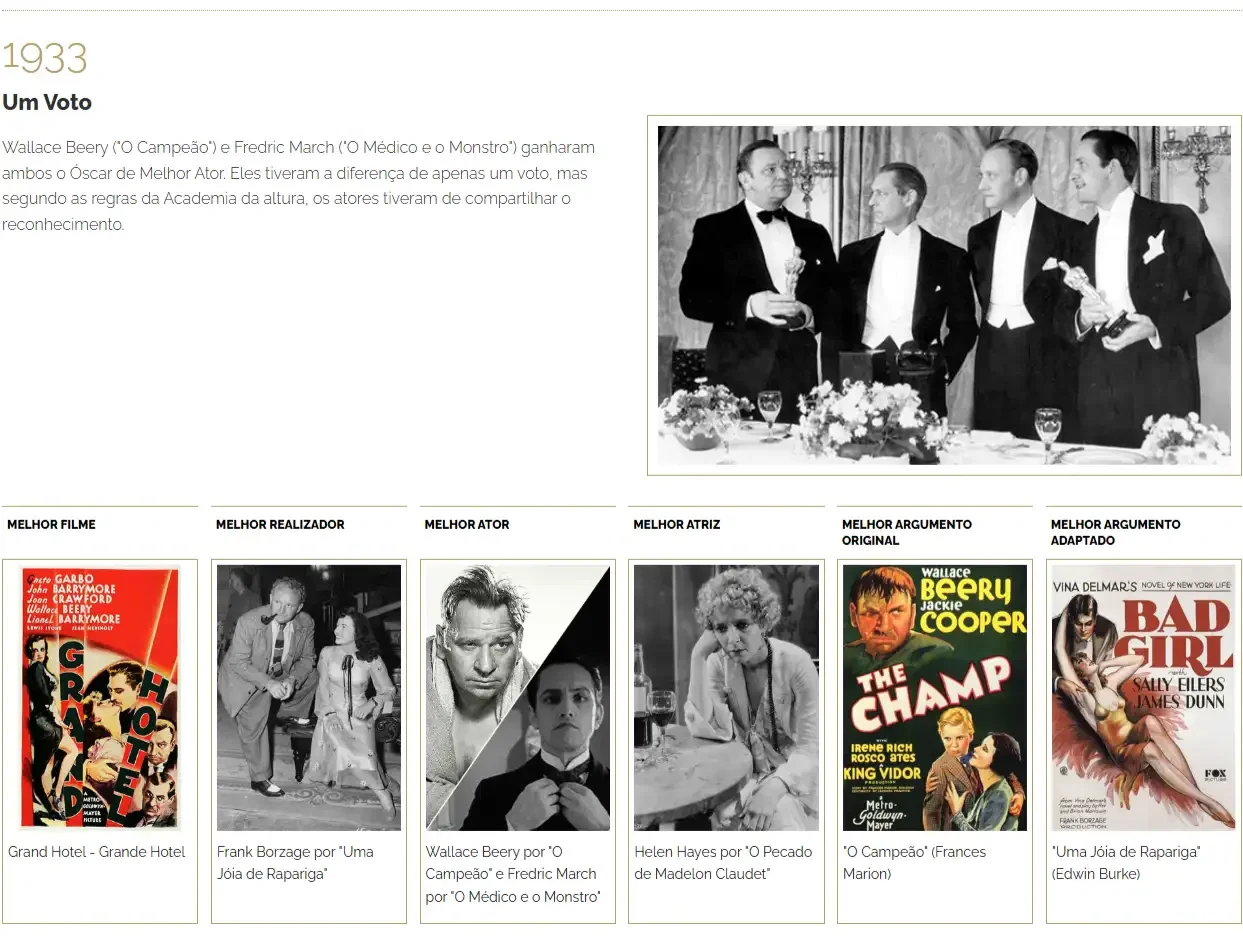
The microsite was structured as a continuous scroll, allowing users to move through the decades as though flipping through a digital documentary. Each era was introduced with a short contextual paragraph followed by a curated selection of images — posters, stills, iconic winners — creating a natural interplay between reading and visual discovery.
2. Consistent Typographic Hierarchy
Clear headings, subheadings, captions, and body text established a reliable rhythm throughout the page. This ensured that users could skim, pause, or dive deep without losing orientation.
3. Image-Driven Storytelling
High-impact imagery — black-and-white photography, film posters, red-carpet moments — reinforced the cinematic theme. The images were arranged in small clusters to break up the narrative, adding dynamic pacing and preventing content fatigue.
4. Clean, Minimal Interface
The surrounding layout remained intentionally quiet: soft tones, subtle dividers, and generous spacing to let the content shine. The design was intended to evoke a contemporary magazine feature — elegant, calm, and curated.
5. Modular Content Blocks
Each decade section functioned as a self-contained module, making the content easy to update or expand over time. This modularity kept the page structurally sound despite its length.
year review
Outcome
The result was an engaging digital article that transformed a century of film history into an accessible, visually balanced reading experience.
The microsite succeeded in:
- Presenting a large volume of archival material with clarity and elegance
- Guiding users naturally through decades of cultural milestones
- Creating a strong editorial identity aligned with cinematic storytelling
- Balancing visuals and text to maintain user engagement across long scrolls
- Offering a flexible foundation for future updates, additional categories, or multimedia integrations
Ultimately, the project demonstrated how thoughtful digital design can turn historical content into a lively, user-friendly narrative. In this place, the past of cinema is not just recorded, but experienced.